What is the carbon footprint of our production?
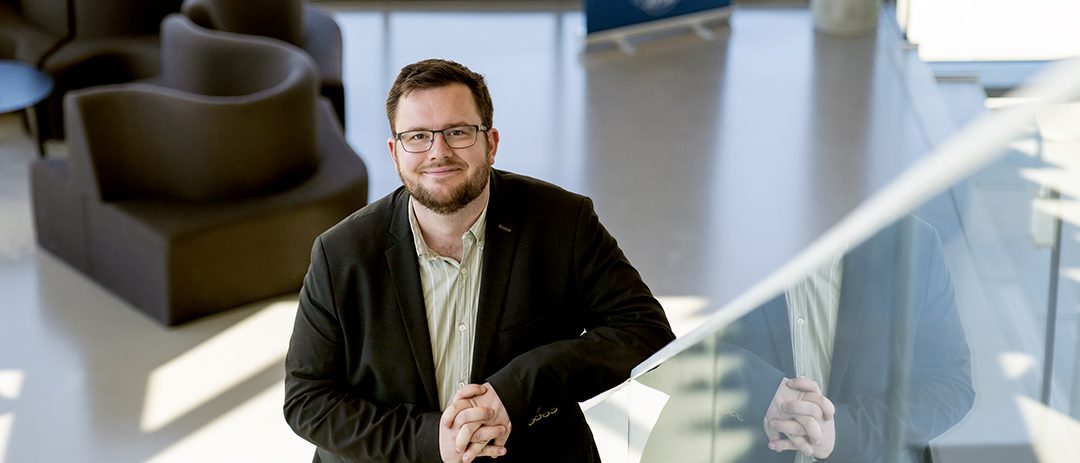
That question is becoming increasingly important for businesses across the globe. It is also a key priority at the international group Sun Chemical, where Denmark’s Martin Liljegren is helping to provide the answers. Within the chemical company, he is responsible for quantifying the environmental impact of products throughout their lifecycle.
“When it comes to carbon emissions, we can clearly see that our end users have become much more aware in recent years, while legislation in this area is also becoming stricter across different countries. As a result, my role has become increasingly central,” says Martin.
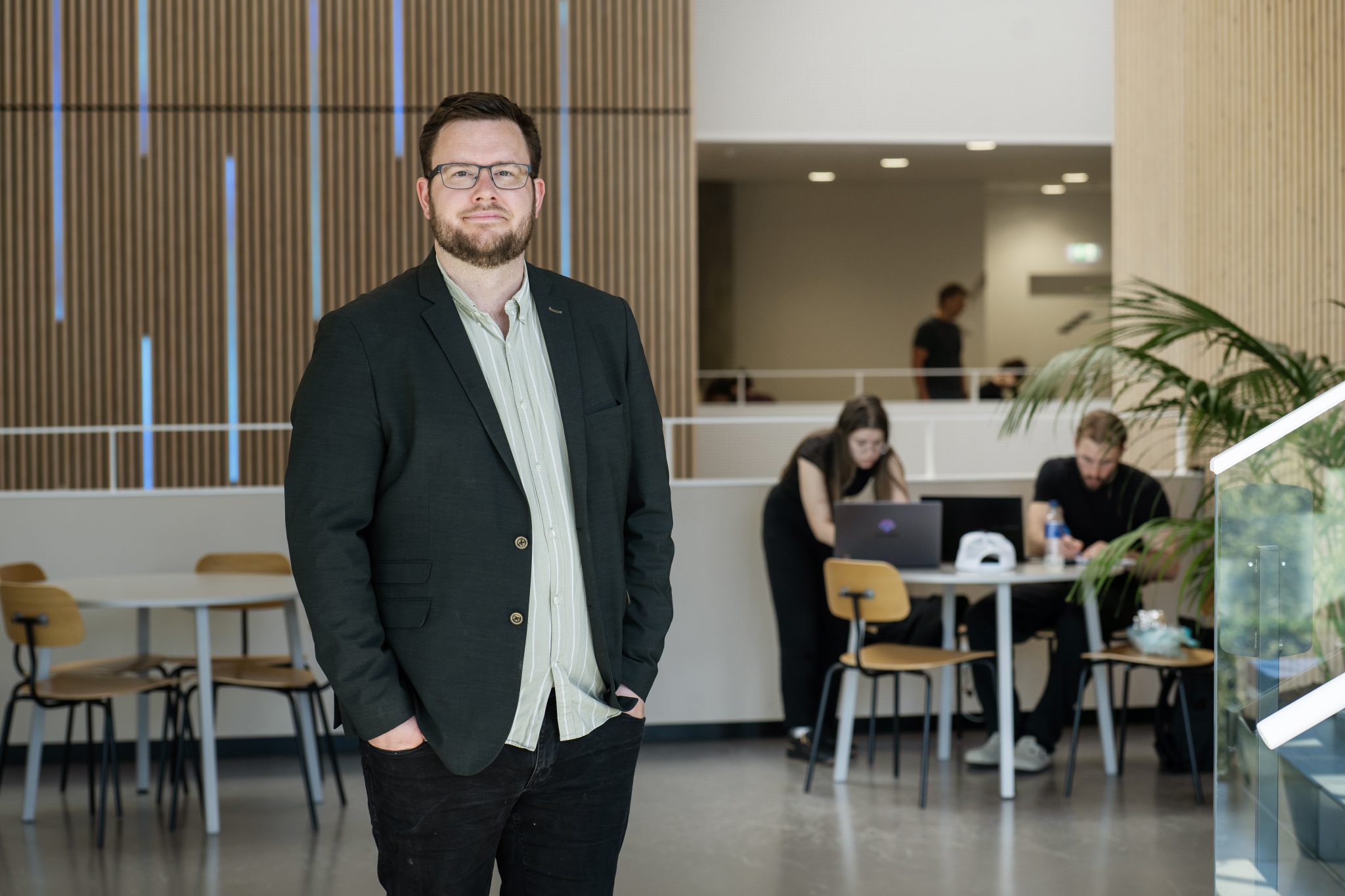
He holds a Master’s degree in Environmental Engineering, which he has now supplemented with an MBA in Sustainability. He completed the programme online through the IBA Kolding, which offers its Executive MBA in Sustainability in close partnership with Leeds Beckett University in the UK.
Sun Chemical is one of the world’s largest manufacturers of pigments and colourants. Its products are used across a wide range of industries, including textiles, printing, chemicals and packaging.
“I am globally responsible for ensuring that our sustainability strategy is data-driven and measurable. That requires a high level of specialist expertise. At the same time, however, you also need broader business knowledge when advising leadership teams in the countries where we operate production facilities,” Martin explains.
It was precisely this broader perspective that he gained through his MBA. The programme focuses on helping leaders steer their organisations in a more sustainable direction. This includes understanding the language, frameworks and models commonly used at executive level.
“Throughout the programme, my assignments were based on Sun Chemical, which meant that everyone benefited from my studies. What I particularly appreciated was learning new theories during the course and then being able to apply them in practice as soon as I returned to work the next day,” says Martin.
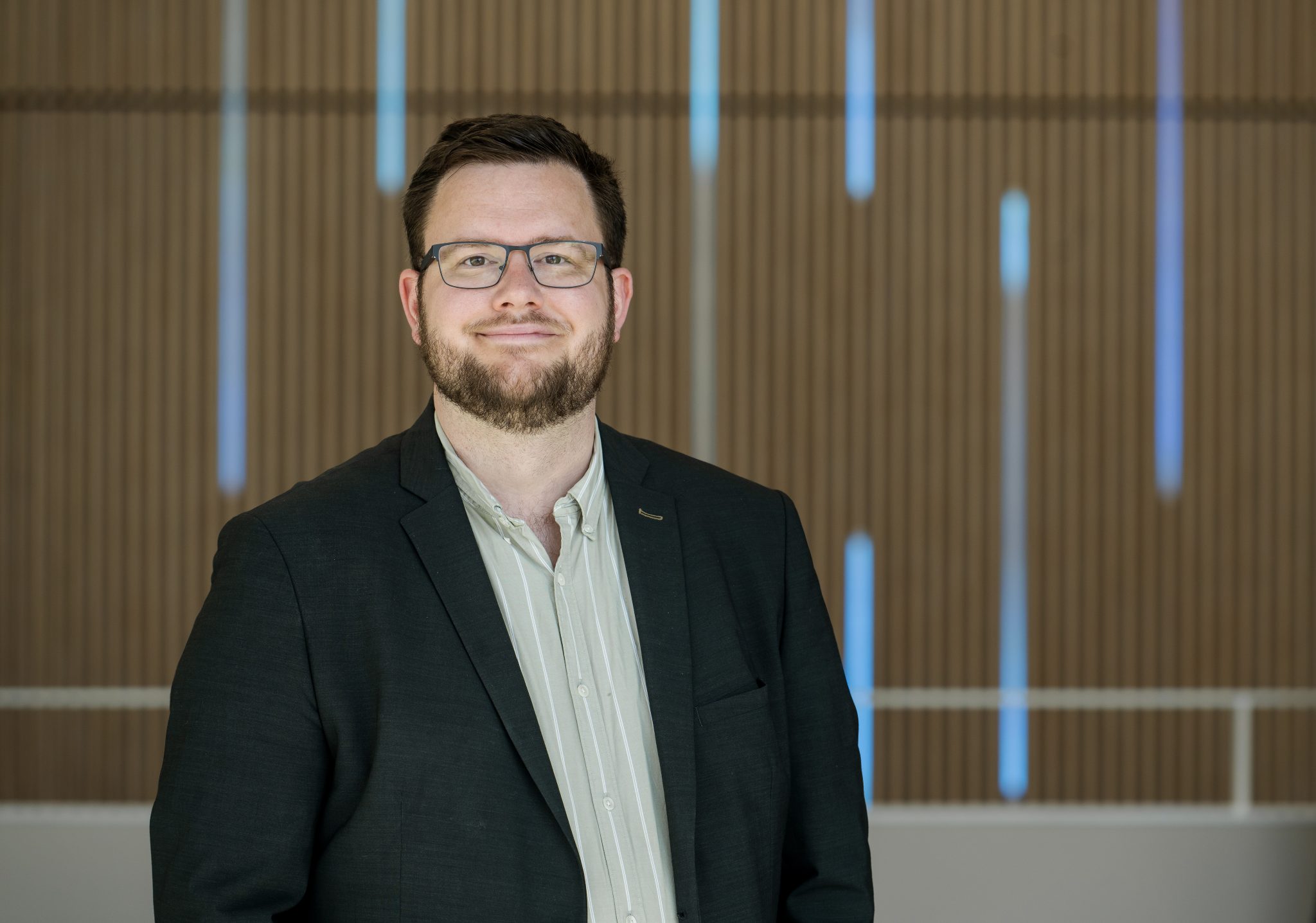
The programme was taught in English, so it differed little from his daily routine within a company that conducts numerous online meetings across multiple time zones. Likewise, the MBA is delivered entirely online, allowing students to decide for themselves when to work through each module.
“It was genuinely a programme that I could complete entirely on my own terms. Communication was always open, and the lecturers were always willing to arrange meetings whenever necessary. The format suited me perfectly, as I had recently got married, moved into a new home, and welcomed a baby,” Martin recalls.
It was Martin’s manager who originally encouraged him to pursue an MBA, advice for which he remains very grateful.
“We carry out a great deal of analysis to ensure that we meet both regulatory requirements and consumer expectations. However, the company has also set its own target of reducing its environmental impact by 50 per cent by 2030, and by 100 per cent by 2050. Thanks to the knowledge and skills I gained through my MBA, I am better equipped to help us achieve those goals successfully, without compromising on anything along the way.”

| John Ahle Petersen |
| jape@iba.dk |
| +45 25 57 72 03 |
| Journalist |